
HeRO ® graft patient selection considerations
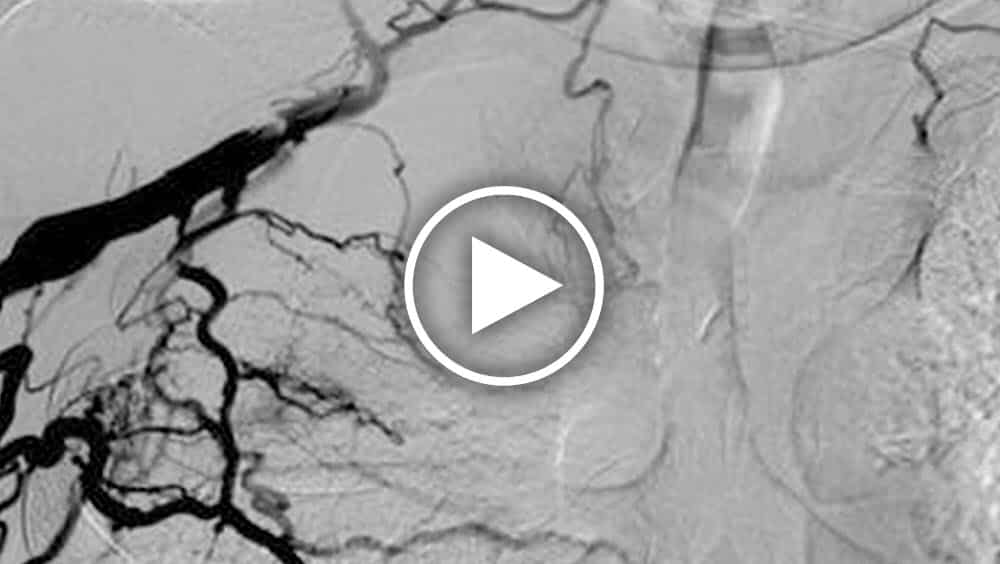
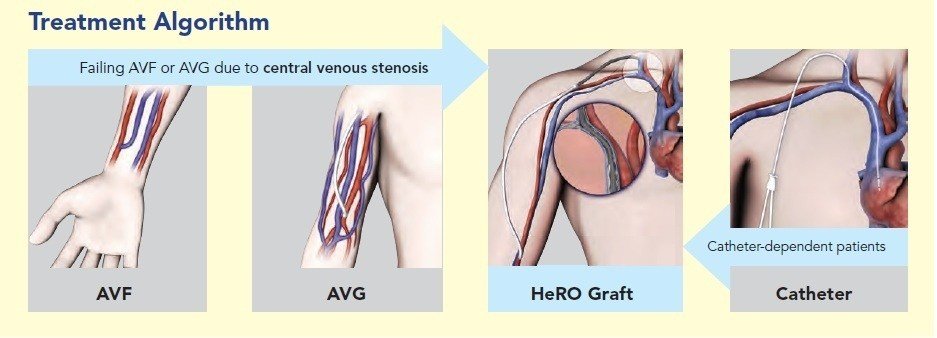
HeRO implant candidate is those with central vein stenosis (CVS) or venous outflow obstruction patients:
- Catheter dependence or close to catheter dependence
- Central venous stenosis cause fistula or graft loss
Dialysis access monitoring and surveillance
| Patients with loss of AVF or AVG? | ||
| Patients currently rely on catheter or close to catheter dependence? | ||
| The current measurement of Kt/V is less than 1.4? | ||
| Flow rate decreased by 20%? | ||
| Patients have arm swelling, limb edema or chest wall collateral veins prominent? | ||
| Whether the patient received a variety of interventions (such as angioplasty)? | ||
| Is there a center vein stenosis cases patients? |
* if any box for "yes", please referral to center vein angiography in the evaluation of patients with venous stenosis.
HeRO graft surgery assessment may include:
- Bilateral central vein angiography to confirm center vein stenosis
- Blood vessel standard measurement to confirm 3 mm or higher for artery anastomosis
- Medical management of high coagulation state
- Ejection fraction 20% or higher
- Systolic blood pressure of 100 mm Hg or higher
- There is no infection
Keep out of risk
Just like traditional graft, HeRO grafts may block in patients with the following:
- Forearm artery (for example, less than 3 mm)
- Arterial inflow insufficient or into the narrow
- For unknown reasons and blocking access history
- Clotting disorders associated with blood clotting or medical condition (i.e., cancer)
- Anticoagulation is insufficient or fails from the anticoagulant drugs
- Systemic hypotension after dialysis liquid after removing or severe hypotension
Thrombosis is the most common cause of vascular access dysfunction.Miss hemodialysis will significantly increase the number of AVF and AVG of thrombosis.1
HeRO graft thrombosis rate and traditional grafts, and using a similar approach to treatment.2
reference
- Shah, ravi.2010. The lack of hemodialysis meeting affect arteriovenous access thrombosis.In CryoLife, Inc., a file.
- IFU: HeRO clinical trial data.